A raise arrives and, within months, feels normal. The next goal moves just out of reach. Economists call it the hedonic treadmill; philosophers noticed it two thousand years ago. The question isn’t whether money matters — it does — but whether you will ever know when you have enough.
Seneca, one of the richest men in Rome, wrote that it is not the person who has too little who is poor, but the one who craves more. Wealth that keeps you wanting has not freed you from anything.
Seneca, Letters to Lucilius 2.6
“Nothing is enough for the man to whom enough is too little.”Epicurus, Vatican Sayings 68
Epicurus is remembered as a philosopher of pleasure, but his pleasures were bread, water, friends and freedom from fear. Natural, necessary desires are easy to satisfy, he argued; it is the endless, empty ones that make us miserable.
Diogenes the Cynic owned almost nothing. One day, seeing a child drink water from cupped hands, he threw away his own cup, saying the child had beaten him in simplicity. Few want to live in a jar as he did, but the story asks what you could do without.
Diogenes Laertius, Lives of the Eminent Philosophers 6.37
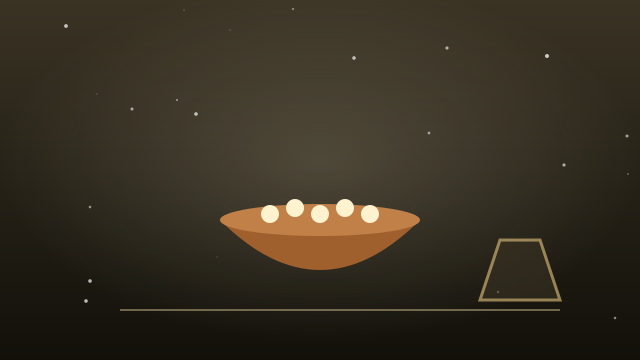
 Illustration: the best things in a day are often free
“Manifest plainness, embrace simplicity, reduce selfishness, have few desires.”Tao Te Ching 19
Chapter 44 asks which is dearer, fame or your own self, and warns that whoever knows contentment will not be disgraced, and whoever knows when to stop will not come to harm.
“Wealth, and wealth alone, is important, inasmuch as charity and desire depend upon wealth for their realisation.”Chanakya, Arthashastra 1.7
Indian thought never despised money. Artha, prosperity, is one of the four legitimate aims of life, alongside duty, pleasure and liberation. The point is balance: wealth earned rightly and used well, without letting it swallow the other aims.
Go deeper: Finding Purpose, a six-day journey, or the dilemma The Drowning Child.
Stanford Encyclopedia: Epicurus · The hedonic treadmill on Wikipedia · Chanakya