The scriptures and classics that shaped how billions of people think about the self, duty, and the divine.
Every tradition on this site — its philosophers, mystics, and esoteric practices — ultimately traces back to a handful of foundational texts. Some were composed by a single identifiable teacher; others emerged over centuries from many hands. Some claim direct divine revelation; others are read as human wisdom refined through vast historical experience. This hub gathers nine of the most influential, spanning Hindu, Buddhist, Taoist, Confucian, Tamil, Islamic, and Judeo-Christian tradition, with a short, honest account of what each text actually says and where it came from.

Krishna's battlefield teaching to Arjuna on duty, action without attachment, and the immortality of the soul.
The philosophical culmination of the Vedas, exploring the identity of the individual self with ultimate reality.
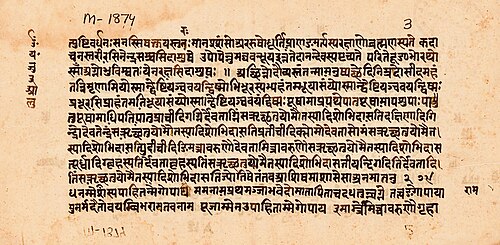
Hinduism's oldest scriptures — four collections of hymn, ritual, and philosophy preserved by an unbroken oral tradition.
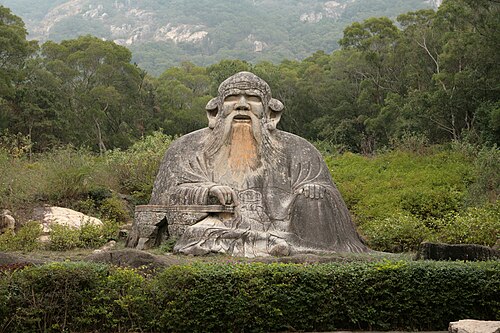
Laozi's terse, paradoxical meditation on the Tao, effortless action, and the power of softness.
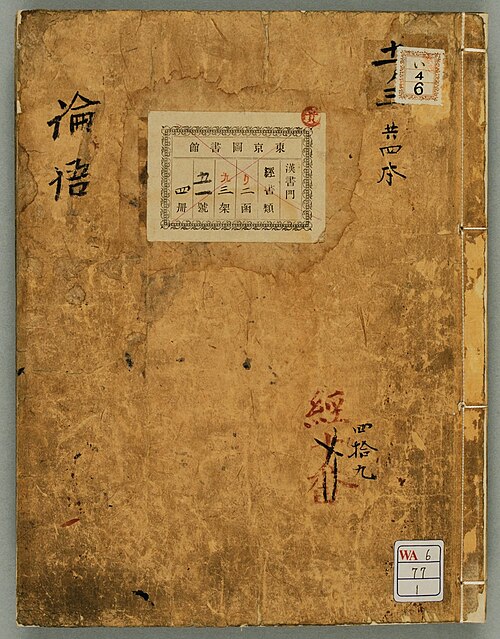
Confucius's sayings on benevolence, ritual propriety, and the cultivation of the noble person.

Classical Tamil poetry of love and war, plus the Tirukkural's cross-cultural couplets on ethics and statecraft.
423 verses attributed to the Buddha, distilling the path out of suffering into aphoristic form.

Islam's central revelation, delivered to Muhammad over 23 years and preserved in parallel oral and written traditions.

A library of texts spanning a thousand years, foundational to Judaism and Christianity alike.